How to fill in an RLE1 form
...Action code. Fill in the action code ‘N’ for a new parcel. Fill in the action code ‘B’ for a boundary change. Fill in the action code ‘D’ for a...
...Action code. Fill in the action code ‘N’ for a new parcel. Fill in the action code ‘B’ for a boundary change. Fill in the action code ‘D’ for a...
...use codes for woodland There isn’t a land use code for trees/woodland. If trees are ‘scattered’ and the underlying land can still be farmed (or be kept in a state...
...buffer strip, measured from the centre of a hedgerow, where a green cover must be established and maintained No cultivation or use of pesticides or fertiliser on land within 2...
...clearly state the new land cover and area. Providing a land use code can be useful and will reduce query delays. Important note: We are not allowed to change PG01...
...of before, during and after completing works for each option, use the CS grant finder on GOV.UK. Check your evidence is labelled When submitting your Countryside Stewardship Capital claims, it’s...
...Field Officers will continue to carry out visits for control purposes because we’re giving out public funds, but with the aim of supporting farmers by offering greater levels of advice,...
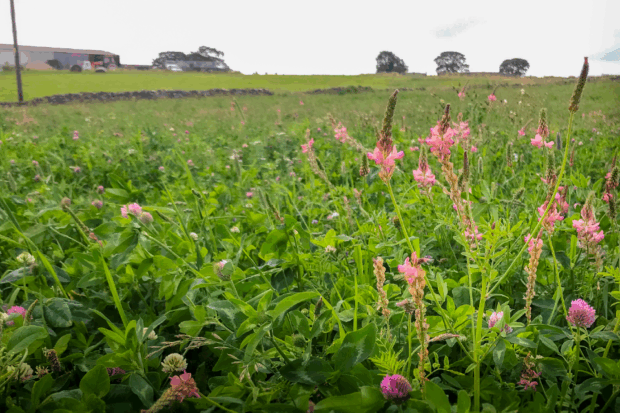
...well watch for slugs – they can damage new leys 2. Minimum-tillage (after grass) useful for opening the base, exposing the soil and removing surface compaction use a non-selective herbicide...
...land features you will use to meet the greening rules, such as hedges and buffer strips. When adding a land use or feature to a parcel, you must accurately type...

...online or using an RLE1 form. 8. Check and update land use: including agricultural and non-agricultural land use areas and land use codes to show the correct position on the...
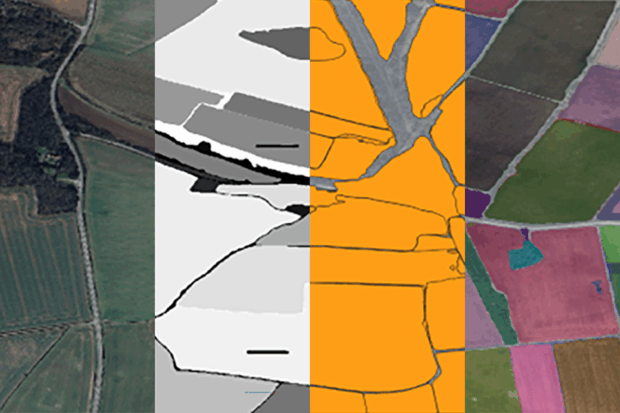
...outcomes. One of the techniques we use is referred to as remote monitoring. This is in the form of satellite imagery to monitor agricultural land from above. Why we use...